Source Jewelry Bench Polisher for Jewelry Making, Metalworking, and DIY Projects
Compare 30 verified listings for the jewelry bench polisher, featuring options with varying speeds, power ratings, and certifications. Buyers can evaluate specifications like voltage, material, and customization support to find suitable equipment for industrial or DIY applications.
Key considerations
Products List


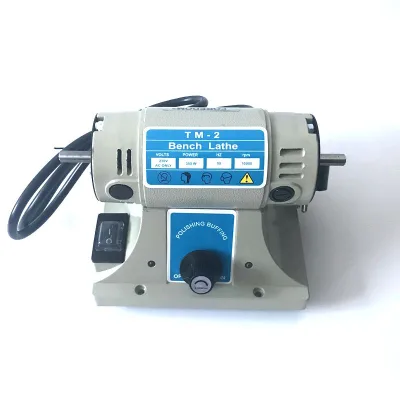
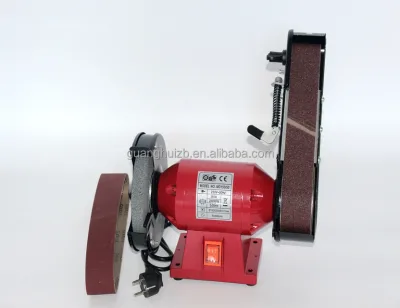
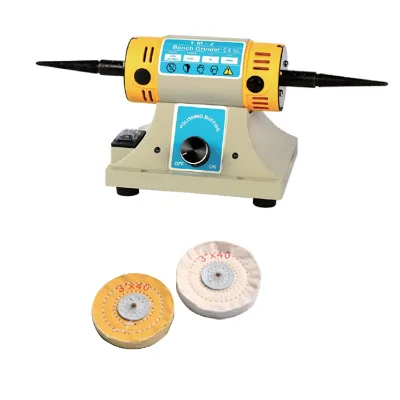
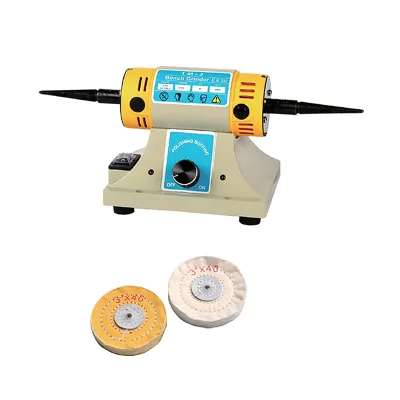
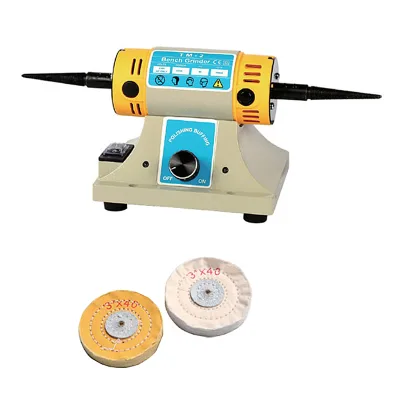
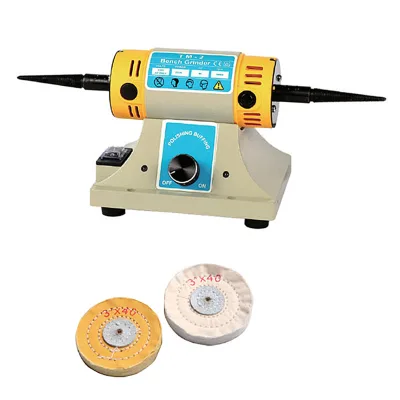
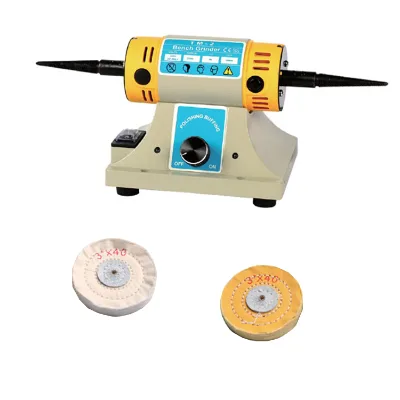
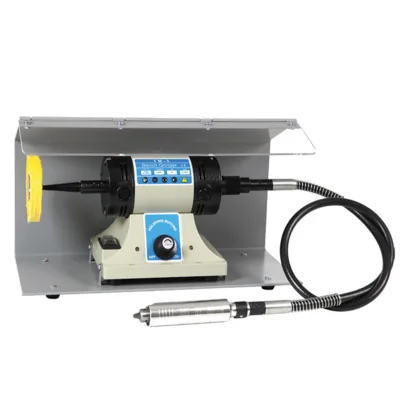


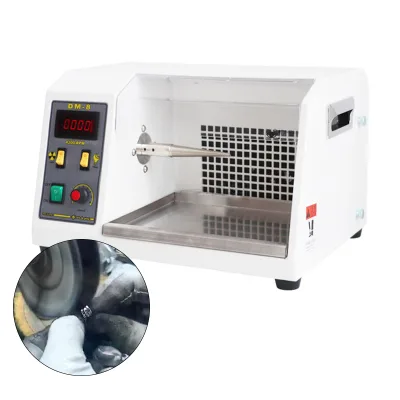
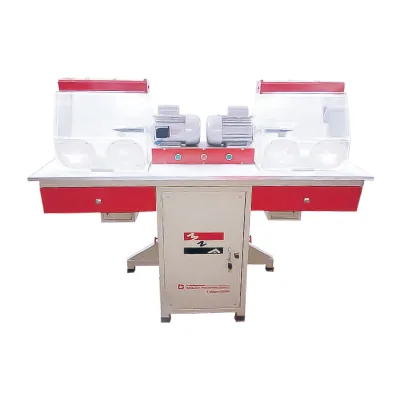
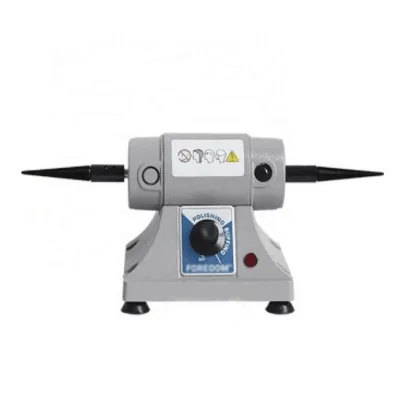
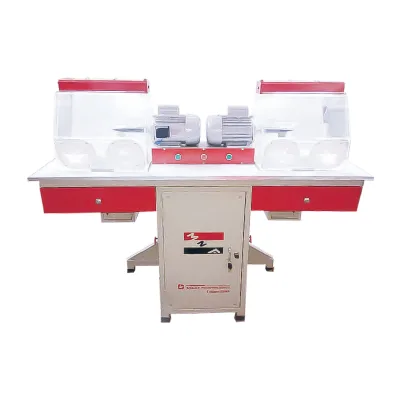
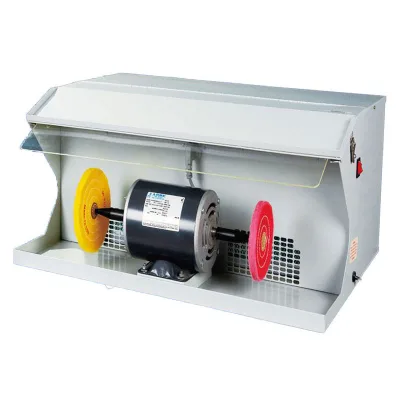
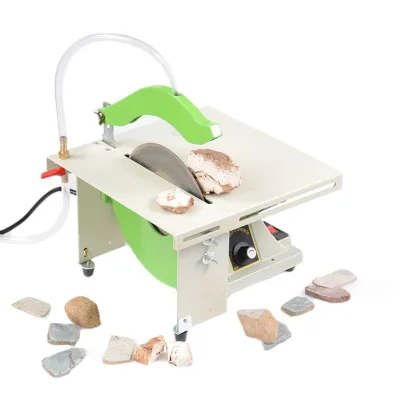


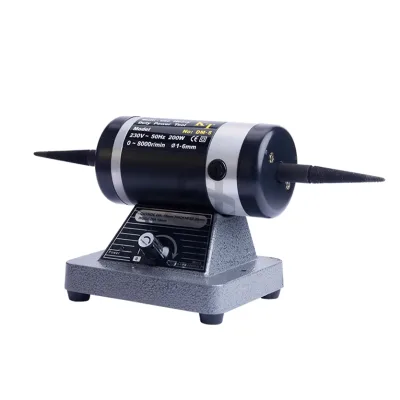
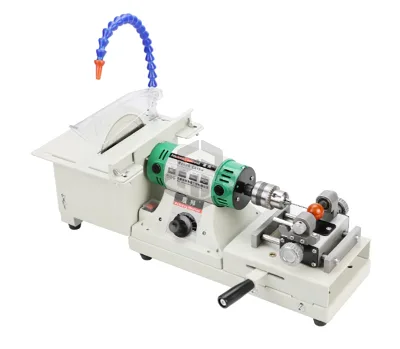


Comprehensive Sourcing Guide
Strategic Sourcing Guide for Jewelry Bench Polishers
Understanding Technical Specifications and Performance Parameters
When sourcing a jewelry bench polisher, buyers must first distinguish between general industrial equipment and specialized tools designed for fine metalwork. The market presents a diverse array of units, ranging from heavy-duty bench grinders to precision rotary tools. A critical observation in the current supply landscape is the variance in speed capabilities. Some units are rated at 3000rpm, which is suitable for general deburring and coarse polishing tasks, while others offer variable speeds ranging from 0 to 10000rpm. This higher speed range is particularly relevant for jewelry making, where delicate materials require precise control to prevent heat damage or material loss.
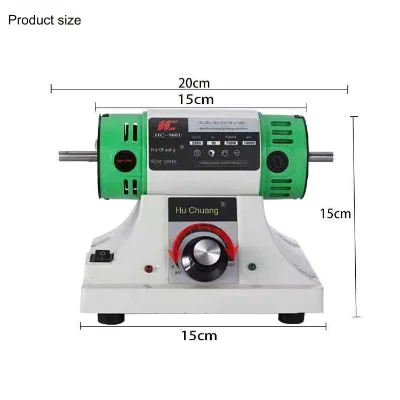
Power consumption is another primary technical differentiator. Listings indicate power ratings such as 750W for heavier mechanized equipment, contrasting with 200W units designed for smaller, more intricate operations. The voltage compatibility is equally vital; buyers must verify if the equipment supports 220V/110V dual voltage standards or is restricted to a single rated voltage like 220V, depending on the electrical infrastructure of their facility. The physical dimensions of the machine also vary significantly. While some models are packaged in standard cartons with dimensions around 454333cm, others are more compact, with single package sizes recorded as 31.2X16X20 cm or 34X14X14 cm. These physical constraints directly impact the available workspace in a jewelry studio or production line.
Furthermore, the nature of the equipment dictates its operational longevity. Most units in this category are classified as non-disposable and intended for repeated use in public or industrial equipment settings. The material composition is predominantly metal, ensuring durability, though the finish may vary, with some units appearing in white or other standard industrial colors. Buyers should note that while some products are marketed as "brand new" or "brand and new," the condition of the machinery upon arrival must be verified against the supplier's shipping protocols to ensure no transit damage has occurred.
Compliance, Certification, and Regulatory Standards
Navigating the compliance landscape is essential for international procurement. The supply chain for jewelry bench polishers often includes products bearing specific certification marks. Common certifications observed in the market include CE, ISO, and RoHS. The CE mark indicates conformity with health, safety, and environmental protection standards for products sold within the European Economic Area. ISO certification suggests that the manufacturer adheres to international standards for quality management and operational consistency. RoHS compliance is particularly important for electronic components, ensuring that the equipment does not contain restricted hazardous substances.
However, buyers must exercise caution when interpreting these certifications. While the presence of "CE, ISO, ISOCondition:New" or "CE, ISO, RoHS" in product descriptions is a positive indicator, it does not automatically guarantee that every unit in a specific batch meets these standards. The certification status should be treated as an observation of the product line rather than a universal claim for every individual unit sold. Verification of the actual certification documents from the manufacturer is a necessary step before finalizing a purchase, especially for equipment intended for use in regulated markets.
In addition to certifications, product standards regarding packaging and dimensions play a role in regulatory compliance. Some specifications list a "prod_standard" of 454333cm, which may refer to the shipping container dimensions rather than the machine's operational footprint. Understanding the distinction between the machine's physical standard and its packaging standard is crucial for logistics planning. Furthermore, the origin of the product, often listed as Hubei, Fujian, or Jiangsu in China, can influence the regulatory framework under which the goods were manufactured. Buyers should ensure that the supplier can provide documentation confirming the place of origin aligns with their import requirements.
Cost Drivers and Pricing Dynamics
The pricing structure for jewelry bench polishers is highly variable, reflecting the diversity in specifications, power ratings, and brand positioning. The observed price range in the market spans from approximately 1 USD to 22,800 USD. This wide disparity is not indicative of a single product type but rather encompasses everything from basic rotary tool accessories to fully integrated, high-power bench grinding systems. The lower end of the spectrum likely corresponds to smaller, lower-wattage units or accessories, while the higher end represents heavy-duty mechanized equipment with advanced features.
Several factors drive these cost variations. First, the power rating is a significant cost driver; a 750W unit will generally command a higher price than a 200W model due to the increased material and engineering requirements for the motor and housing. Second, the level of customization available influences the price. Products offering OEM (Original Equipment Manufacturer) and ODM (Original Design Manufacturer) support often carry a premium, as they involve additional engineering and branding costs. The "good price" attribute mentioned in some listings is a qualitative descriptor rather than a quantitative metric and should be interpreted with caution.
Minimum Order Quantity (MOQ) also plays a pivotal role in the effective unit cost. The observed MOQ range spans from 1 to 500 units. Suppliers with an MOQ of 200 sets, for instance, may offer a lower per-unit price for bulk orders compared to those allowing single-item purchases. The supply ability, often cited as 5000 pieces per day or 5000 sets per month, indicates the scalability of the manufacturer. High supply capacity can lead to economies of scale, potentially reducing costs for large-volume buyers. However, buyers must balance these potential savings against the upfront capital required to meet the MOQ.
Typical Applications and Operational Use Cases
Jewelry bench polishers serve a wide range of applications, from small-scale artisan workshops to large-scale industrial manufacturing. The primary use case involves the finishing of metal jewelry, including polishing, buffing, and grinding. The classification of these tools as "Jewelry Tools & Equipments" and specifically "Rotary Tools & Accessories" or "bench grinder sanders" highlights their specialized function. The ability to customize the equipment allows manufacturers to tailor the tools to specific jewelry types, such as gold, silver, or platinum, which require different polishing speeds and abrasives.
The operational context often dictates the choice of equipment. For DIY enthusiasts or small studios, a compact unit with a speed range of 0-10000rpm and a power rating of 200W may be sufficient. These units are often designed for portability and ease of use, fitting into smaller workspaces. In contrast, industrial settings may require the 750W mechanized equipment with a fixed speed of 3000rpm, designed for high-volume production and continuous operation. The "Non-Disposable" nature of these tools ensures they are built for long-term use, making them suitable for environments where reliability and durability are paramount.
Additionally, the "Public Equipment" classification suggests that some units may be designed for use in shared facilities or educational settings, where multiple users operate the machinery. The "Un-waterproof" feature is a critical operational constraint; buyers must ensure that the work environment is dry to prevent electrical hazards and equipment damage. This limitation necessitates careful planning of the workspace to avoid exposure to liquids, which is common in jewelry making where cleaning and cooling fluids might be used.
Supplier Evaluation and Selection Criteria
Selecting the right supplier requires a thorough evaluation of their capabilities, reputation, and logistical support. The supply chain for jewelry bench polishers includes manufacturers from various regions in China, such as Hubei, Fujian, and Jiangsu. Each region may have different specializations and supply chain efficiencies. Buyers should verify the "Place of Origin" to ensure it aligns with their quality expectations and logistical preferences. The port of dispatch, often listed as FUZHOU, is another critical logistical detail that affects shipping times and costs.
Supplier evaluation should also focus on their ability to meet specific order requirements. The "Supply Ability" of 5000 pieces per day or 5000 sets per month indicates a robust production capacity, but buyers must confirm if this capacity is consistent and reliable. The "Packaging Details" section, which mentions 1-3 working days or dependence on order quantity, highlights the variability in lead times. Buyers should seek clarity on whether the quoted lead time is for standard orders or if it varies based on customization requests.
Furthermore, the availability of customization support, such as OEM and ODM services, is a key differentiator. Suppliers offering these services can tailor the product to specific branding or functional requirements, which is essential for businesses looking to differentiate their offerings. The "Warranty" of 1 year is a standard offering that provides some protection against defects, but buyers should verify the terms and conditions of the warranty to understand the scope of coverage. Finally, the "Quality" attribute, often described as "high quality bench grinder sanders," should be validated through sample testing or third-party inspections rather than relying solely on supplier claims.
Quality Control and Long-Term Procurement Considerations
Implementing a robust quality control (QC) process is essential for ensuring that the purchased jewelry bench polishers meet the required standards. Given the variance in specifications and the potential for "brand new" or "condition: Brand and new" claims to be marketing language, buyers should establish clear acceptance criteria. This includes verifying the actual speed, power, and voltage ratings against the product specifications. Physical inspections should confirm the material composition, ensuring the use of metal components as advertised, and checking for any signs of damage or wear.
Long-term procurement considerations extend beyond the initial purchase. The "Un-waterproof" feature necessitates ongoing maintenance and careful handling to prevent equipment failure. Buyers should plan for regular maintenance schedules and the availability of replacement parts, such as polishing wheels or motors. The "Customization: Available" attribute suggests that the supplier may be able to provide modifications or upgrades over the life of the equipment, which can extend its usability and relevance.
Additionally, the "Selling Units" being listed as "Single item" indicates that the market supports both individual and bulk purchasing. For long-term contracts, buyers should negotiate terms that allow for flexible ordering, potentially leveraging the "MOQ" of 200 sets or lower if the supplier is willing to accommodate smaller, more frequent orders. The "Shipment: quick delivery" attribute is a positive indicator, but buyers should confirm the actual delivery timelines and reliability of the logistics partners to avoid disruptions in their production schedules.
Comparative Analysis of Key Product Attributes
To facilitate informed decision-making, the following table summarizes the key attributes observed in the market for jewelry bench polishers. This comparison highlights the diversity in specifications and helps buyers identify the most suitable options for their specific needs.
| Attribute | Observation Range / Specific Values | Implication for Buyers |
|---|---|---|
| Speed | 3000rpm to 0-10000rpm | Higher speeds suit delicate jewelry; lower speeds for heavy grinding. |
| Power | 200W to 750W | 750W for industrial use; 200W for DIY or small workshops. |
| Voltage | 220V/110V or 220V | Ensure compatibility with local electrical infrastructure. |
| Material | Metal | Durable construction; check for corrosion resistance. |
| Certification | CE, ISO, RoHS | Verify authenticity for regulatory compliance in target markets. |
| MOQ | 1 to 500 units | Lower MOQ allows for testing; higher MOQ reduces unit cost. |
| Origin | Hubei, Fujian, Jiangsu, China | Regional differences may affect shipping costs and lead times. |
| Warranty | 1 year | Standard coverage; verify terms for claims and support. |
| Packaging | Carton, 31.2X16X20 cm to 454333 cm | Affects storage and shipping logistics. |
| Customization | OEM, ODM Available | Enables branding and functional tailoring. |
This comparative analysis underscores the importance of aligning product specifications with operational requirements. By carefully evaluating these attributes, buyers can make strategic decisions that optimize performance, cost, and reliability in their jewelry production workflows. The diversity in the market allows for tailored solutions, but it also demands a rigorous approach to supplier selection and quality verification to ensure that the final procurement meets the highest standards of the industry.
FAQs
What certifications do jewelry bench polishers typically have?
Many units carry CE, ISO, and RoHS certifications to ensure safety and compliance. These marks indicate conformity with European health standards and international quality management, though buyers should verify specific documents for each batch before purchase.
How fast do these machines operate for jewelry tasks?
Speed capabilities vary significantly, with some models rated at 3000rpm for general deburring and others offering 0-10000rpm for delicate work. Higher speeds are preferred for fine metalwork to prevent heat damage while maintaining precise control.
Can I customize the equipment for my brand requirements?
Yes, customization is available with many suppliers offering OEM and ODM support. This allows you to tailor the machine for specific branding or functional needs, though it may involve additional engineering costs and lead times.
What is the minimum order quantity for these tools?
The minimum order quantity ranges from 1 to 500 units depending on the supplier. Some vendors require 200 sets for bulk pricing, while others allow single item purchases, affecting the effective unit cost and upfront capital required.
Where are these machines typically manufactured and shipped from?
Products originate from various Chinese provinces including Hubei, Fujian, and Jiangsu. The port of dispatch is often Fuzhou, which influences shipping times and logistics planning for international buyers importing these mechanized tools.